
When apps listen to people, they become part of their lives, not just their screens.
Audience-Centered Design: How Weixin Became an Everyday Essential
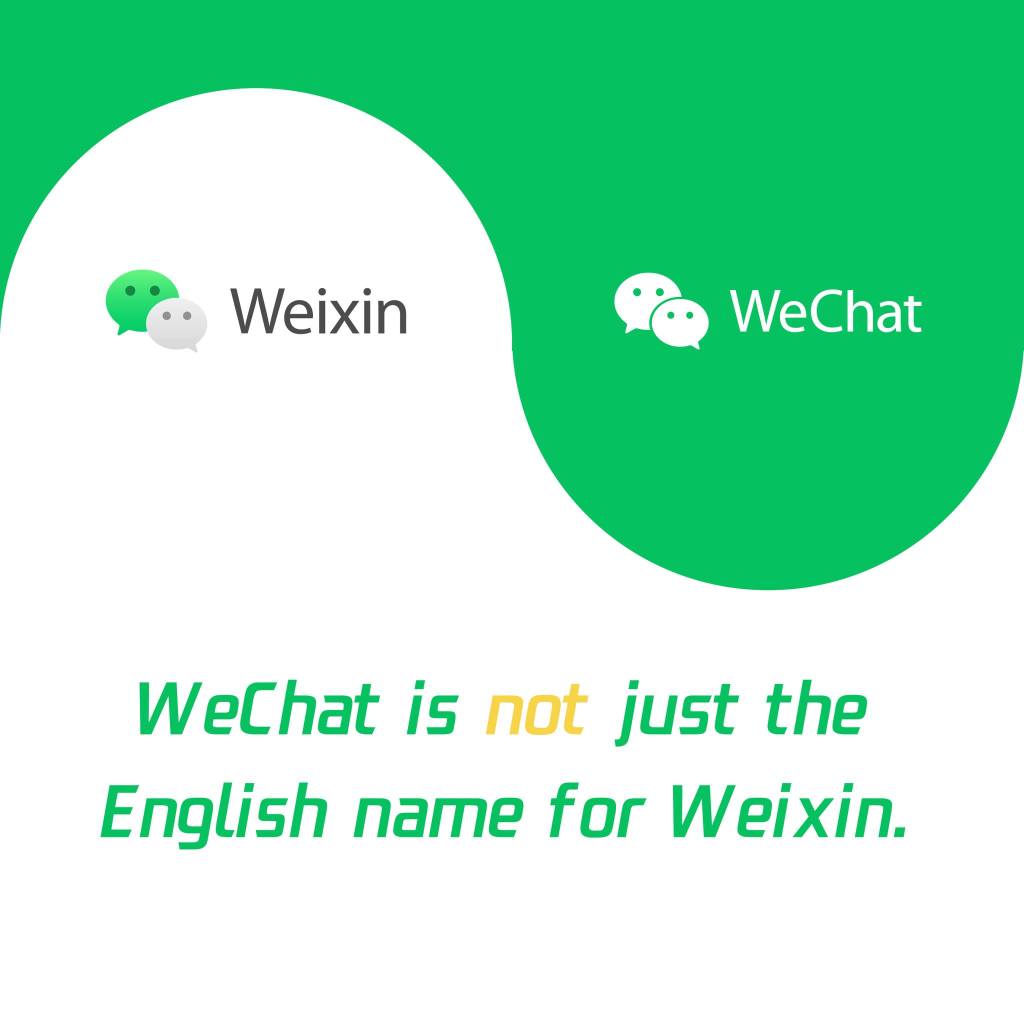
Understanding the target audience is a foundational element of any successful social media strategy. Social media platforms that thrive in today’s competitive digital environment do so not by chance, but through intentional design decisions based on audience research and behavioral analysis. One of the most successful examples of this audience centric approach is Weixin (known internationally as WeChat), a Chinese social media and messaging app launched by Tencent in 2011. Within just three years, Weixin had gained over 300 million active users across China, Southeast Asia, Europe, and the United States (Barboza, 2014). The app’s rapid rise and sustained popularity can be attributed to its deep understanding of user needs, thoughtful integration of features, and cultural adaptability.
Social media practitioners seeking to emulate Weixin’s success must first prioritize audience insight. This involves going beyond demographic data to explore user behaviors, motivations, and preferences. Tencent accomplished this by narrowing its focus to a specific target audience: young, urban, mobile first users in China. This demographic required an efficient, multifunctional platform that could streamline communication, commerce, and content consumption. By aligning the app’s design with these user expectations, Weixin was able to integrate itself seamlessly into their daily routines. The app offered practical features such as voice messaging, an especially useful function in a language where typing characters can be time consuming, and an in app browser that allowed users to read articles and view content without switching to external applications (Li, 2014). These small yet significant features reduced user effort and increased engagement, demonstrating Tencent’s commitment to solving real user pain points.
Equally important to Weixin’s success is its ability to tailor the platform to individual preferences. Although its foundation is consistent across users, the app supports significant personalization. Public accounts, for instance, allow users to subscribe to content that aligns with their personal interests whether that be fashion, technology, finance, or lifestyle. As a result, users curate unique digital experiences within a shared platform. This adaptability also facilitates expansion into global markets. While cultural and regulatory differences have limited Weixin’s widespread adoption in some regions, its flexible architecture has enabled localized success in parts of Southeast Asia, where the company adjusted features and partnerships to reflect local needs and consumer behaviors (Barboza, 2014). The platform’s structure allows users of various backgrounds to incorporate it into their lives in ways that feel authentic and relevant.
Furthermore, Weixin has become a staple in the daily lives of its users by embedding itself into routine tasks and cultural rituals. This level of integration is no accident, it is the result of strategic feature development and cultural awareness. For instance, in January 2014, Tencent launched the “Qiang Hongbao” or Red Envelope campaign just before the Chinese New Year, allowing users to send and receive digital monetary gifts through the app (Horwitz, 2014). The campaign mirrored traditional holiday practices but added a digital twist, allowing users to randomly distribute money among friends and family, creating excitement and social interaction. The campaign was a major success, with nearly five million users sending 20 million digital red envelopes. This feature not only deepened emotional engagement but also promoted Weixin’s payment system, reinforcing user trust and familiarity with its financial capabilities.
Similarly, the introduction of the Didi Taxi feature in 2014 responded to a growing need for convenient transportation solutions in urban areas. By enabling users to hail and pay for taxis directly within the app, Weixin became more than just a communication tool, it became a daily utility (Chen, 2014; Millward, 2014). The integration of these services exemplifies how Weixin strategically identified and addressed niche user needs, further reinforcing its position as an indispensable app. Over time, as users completed more daily tasks through the platform, they became more reliant on it, contributing to increased user retention and platform loyalty.
In conclusion, Weixin’s success lies in its strategic, audience driven design. By focusing on user needs, offering customizable features, and incorporating culturally resonant experiences, the platform has become deeply embedded in the everyday lives of its users. For social media practitioners, the lesson is clear: a product that is designed around the real behaviors and preferences of its users is far more likely to succeed than one based solely on technological novelty. As digital habits evolve, platforms that continue to prioritize audience analysis and adaptation will remain relevant and resilient in a constantly shifting media landscape.

 Becky on Brand
Leave a comment