
When raising awareness becomes performative: what this viral trend teaches us about real impact.
“Is That Really Awareness?” — What the Breast Cancer Meme Got Right (and What It Missed)
Every October, social media turns pink. Our feeds fill with hearts, inspirational quotes, and… some pretty odd Facebook statuses.
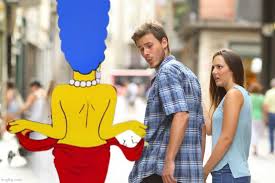
Remember the one where women were asked to post just a color? Like:
“Jessica, red.”
No context. No explanation. Just a name and a color.
Or what about:
“I like it on the floor.”
Wait—what?
These were part of a series of viral memes meant to raise awareness for breast cancer. Women were encouraged to share cryptic messages privately to their female friends, leaving men (intentionally) out of the loop. The goal? Start a conversation. Create curiosity. “Raise awareness.”
But did it really raise awareness—or just eyebrows?
Let’s talk about why this campaign exploded… and why it ultimately fell short.
Why Was This Meme So Viral?
From a social media marketing perspective, the breast cancer meme nailed some key elements that make content spread:
1. It was mysterious.
People love a good mystery. When friends started posting odd statuses without explanation, others felt compelled to ask what it meant. That curiosity drove engagement.
2. It was exclusive.
The message literally told women: “Don’t tell the men.” That created a sense of community and secrecy—something social media users often crave.
3. It was easy.
No donation required. No research needed. Just type one word, hit post, and feel like you did your part. It was effortless participation—which is exactly why so many jumped in.
4. It was playful and provocative.
The statuses became increasingly suggestive, like “I like it on the kitchen counter.” That cheeky tone made it entertaining and buzz-worthy.
In short, it was tailor-made for virality. The campaign capitalized on curiosity, simplicity, and social validation—exactly what fuels many trending posts.
But Here’s Where It Missed the Mark
Despite all the sharing and clicks, this meme didn’t actually move people to act. It created engagement, yes—but not impact.
So, what went wrong?
1. No real education or resources
There were no links to breast cancer screenings, no self-check guides, and no prevention tips. People didn’t walk away knowing anything new.
2. No connection to fundraising or volunteering
What if the post said “Melissa, red — and I just donated $10 to Susan G. Komen”? That would have driven real-world results.
3. It excluded men
Men get breast cancer too. In fact, over 2,000 men are diagnosed with it in the U.S. each year. Keeping men “out of the loop” made the campaign feel more like an inside joke than a serious awareness effort.
4. It sexualized a serious issue
For many survivors and families, the idea of turning breast cancer into a flirtatious guessing game was offensive. While attention-grabbing, it lacked sensitivity and authenticity.
So How Could It Have Been Better?
To actually help the cause, campaigns like this should:
Include action steps
Add links to donate, volunteer, or schedule a mammogram. Even a small CTA (call to action) can lead to big results.
Educate your audience
Use social media to share facts, debunk myths, and promote prevention—not just make people giggle.
Be inclusive
Invite everyone to participate, including men. Awareness should unite, not divide.
Center the survivors
The most powerful content often comes from real stories. Survivor spotlights, testimonials, or videos would’ve made the message hit closer to home—and drive deeper emotional engagement.
Final Thoughts: Awareness Is Just the Beginning
The Facebook breast cancer meme went viral because it was fun, easy, and emotionally appealing. But it didn’t drive real-world change. That’s the difference between cyberactivism and impactful social marketing.
As marketers—or even just everyday social media users—we need to ask ourselves:
“Is this post going to make a difference, or is it just making noise?”
Awareness is important, but it should be paired with direction. Give people something to learn, something to feel, and something to do. Only then does a meme move beyond the screen and start creating real change.
Want to help right now?
- Schedule a breast cancer screening
- Donate to the Breast Cancer Research Foundation
- Share a survivor’s story or offer support
What do you think? Have you ever posted one of those viral statuses? Did it feel meaningful—or just trendy? Let’s talk in the comments.

 Becky on Brand
Leave a comment